Recently, the Ministry of Culture and Tourism revealed the sixth batch of national intangible cultural heritage inheritors, with 58 selected from Guangdong. The province boasts a rich tapestry of traditions, from dance and craftsmanship to traditional medicine. Here are some of Guangdong's cultural treasures, with top spots to experience them up close.
Lion dance
Lion dance is a lively performance symbolizing the expulsion of evil spirits and the arrival of good fortune. Combining martial arts, dance, and music, it is a key part of festivals and celebrations in Guangdong. Guangzhou's Shakeng lion dance, Zhanjiang's high-pole lion dance, and Foshan's powerful lion dances each have their distinct styles.
(Photo: Zhanjiang Fabu)
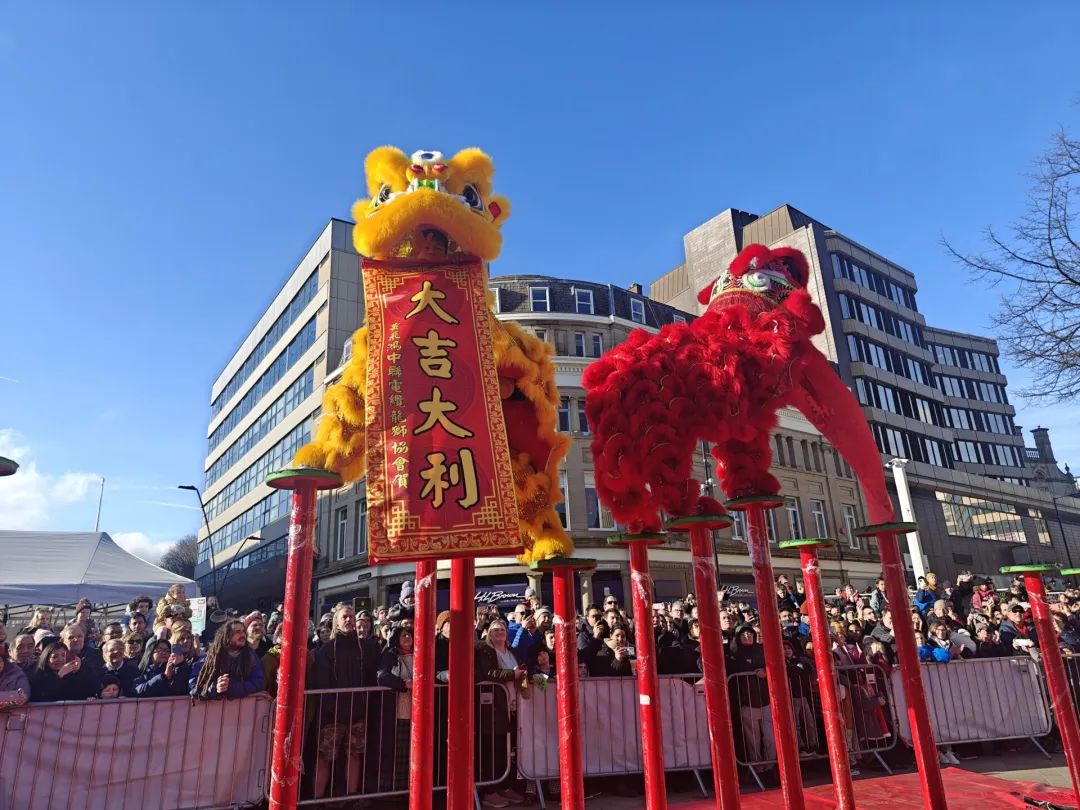
(Photo: Foshan Foreign Affairs Bureau)
Where to experience (available every day):
-
Lingnan Impression Garden, Guangzhou (嶺南印象園): No. 1 Outer Ring Road, Panyu District, Guangzhou (廣州市番禺區(qū)外環(huán)西路1號嶺南印象園)
-
Foshan Ancestral Temple (佛山祖廟): No. 21 Zumiao Road, Chancheng District, Foshan (佛山市禪城區(qū)祖廟路21號)
-
Tianhu Park, Foshan (佛山天湖公園): Xiqiao Mountain Scenic Area, Nanhai District, Foshan (佛山市南海區(qū)西樵山景區(qū))
Yingge
Originating from Guangdong's Chaoshan region, Yingge dance, literally the Songs of Heroes dance, is a traditional folk dance based on the stories of the 108 heroes from the classic novel Outlaws of the Marsh. The dance is usually performed during festivals and celebrations, and dancers tend to wear colorful costumes and props such as masks, snakes, spears, and drums as they perform acrobatic movements and stunts.
(Photo: Xinhua)
Yingge dance peaks during the Chinese New Year and other cultural celebrations in the Chaoshan area. Since last year, every Saturday evening, Jieyang Tower Square has hosted free cultural performances featuring top Yingge troupes, alongside other intangible cultural heritage displays such as lion and dragon dances, Chaozhou Opera, and guqin music, attracting many visitors.
(Photo: Jieyang Municipal Culture, Radio, Television, Tourism and Sports Bureau)
Where to experience:
-
Jieyang Tower Square (揭陽樓廣場): About 140 meters west of the intersection of Huanshi North Road and Xinyang East Road, Jiedong District, Jieyang (揭陽市揭東區(qū)環(huán)市北路與新陽東路交叉路口往西約140米)
Guangdong paper cutting
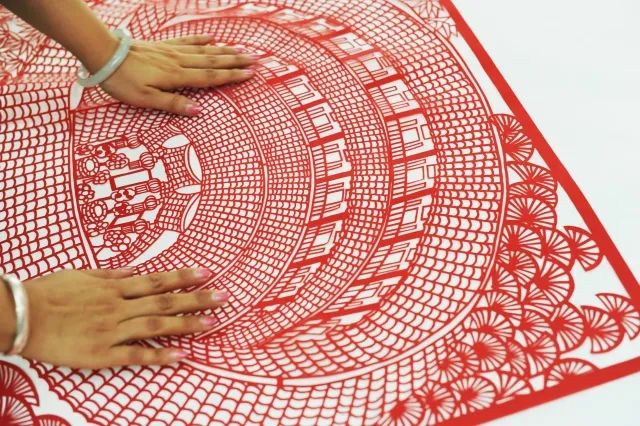
Guangdong paper cutting is a traditional art form with distinctive styles from Foshan, Chaoyang, and Chaozhou. The technique involves cutting or engraving paper with chisels, and designs can be left in their natural color or enhanced with dyes.

(Photo: Nanfang Daily)
Foshan paper cutting is known for its versatility, with nine categories based on materials such as paper, copper, wood, and brass. The most common methods are cutting and carving. Chaoyang paper cutting, from the Chaoshan region, often features themes of good fortune, festivals, and daily life, with an emphasis on symmetry. Chaozhou paper cutting typically depicts flowers, animals, figures, and landscapes.
(Photo: Nanfang Daily)
Renowned national intangible cultural heritage inheritors Rao Baolian and Zhang Xiangming run paper-cutting studios in Foshan and Chaozhou, where visitors can learn and experience the art firsthand.
(Photo: Foshan News Media Center)
Where to experience:
-
Rao Baolian Foshan paper-cut workshop (饒寶蓮佛山剪紙工作室): No.12, Nanfeng Kiln Cross Lane, No.6 Gaomiao Road, Shiwan Town, Chancheng District, Foshan (佛山市禪城區(qū)石灣鎮(zhèn)高廟路6號南風(fēng)古灶十字巷12號)
-
Foshan Rao Baolian Gold and Copper Chisel Paper-cut Guicheng Art Museum (佛山饒寶蓮金銅鑿剪紙桂城藝術(shù)館): 6th floor, Pingzhou Cultural Center, Jianshe Street, Yongan Road, Guicheng Sub-district, Nanhai District, Foshan (佛山市南海區(qū)桂城街道永安路建設(shè)大街文化中心南翼6樓)
Shiwan ceramics making technique
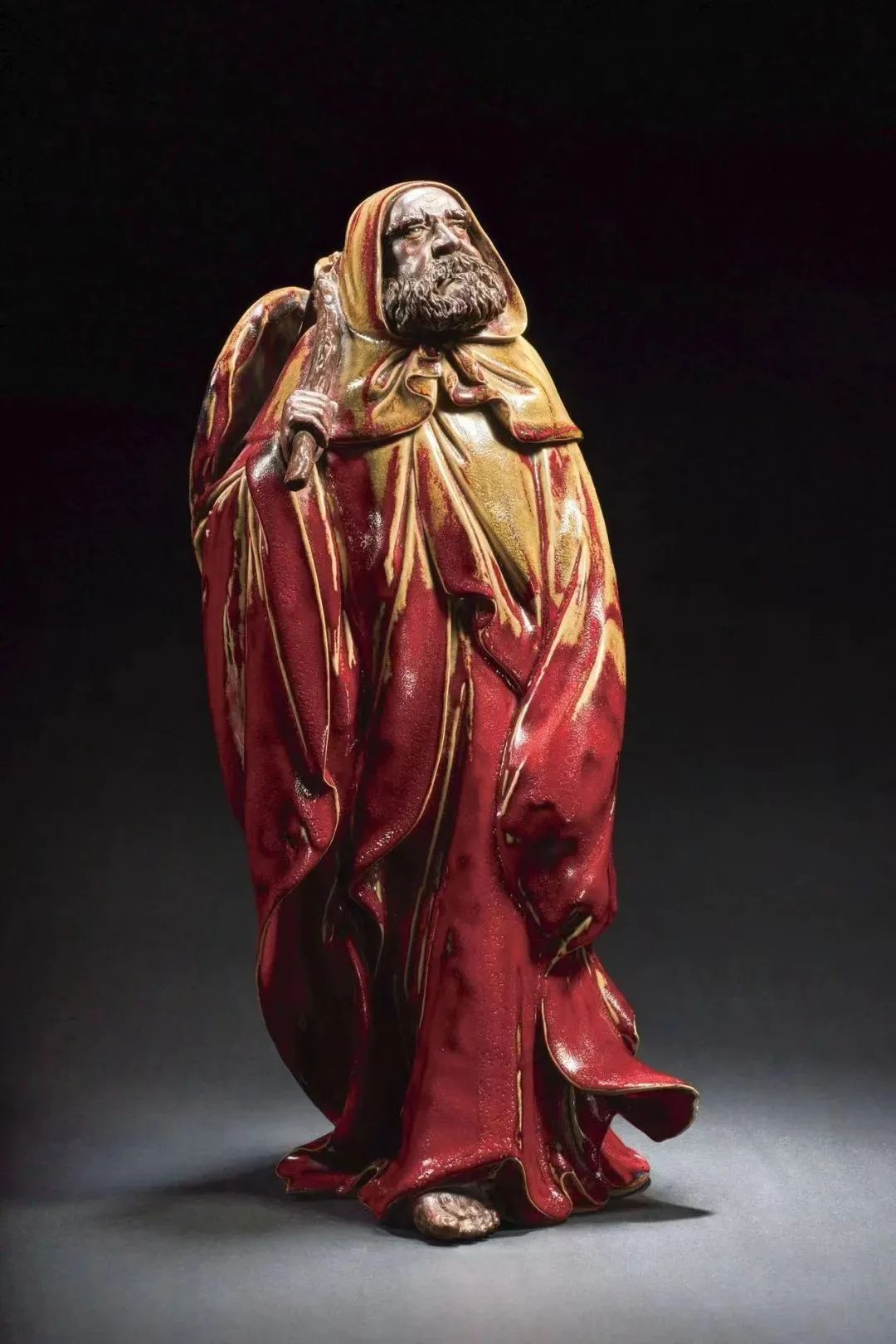
Shiwan ceramics, originating from the Shiwan area in Foshan's Chancheng District, are a longstanding folk craft with a history dating back over 5,000 years. The region's rich clay provides ideal conditions for pottery-making. Known for their vivid, expressive forms and thick, earthy textures, Shiwan ceramic decorations are showcased at many temples and ancestral halls, such as the Chen Clan Ancestral Hall in Guangzhou, Ancestral Temple in Foshan, and Yuecheng Longmu Ancestral Temple in Huizhou.
(Photo: Guangdong Shiwan Ceramics Museum)
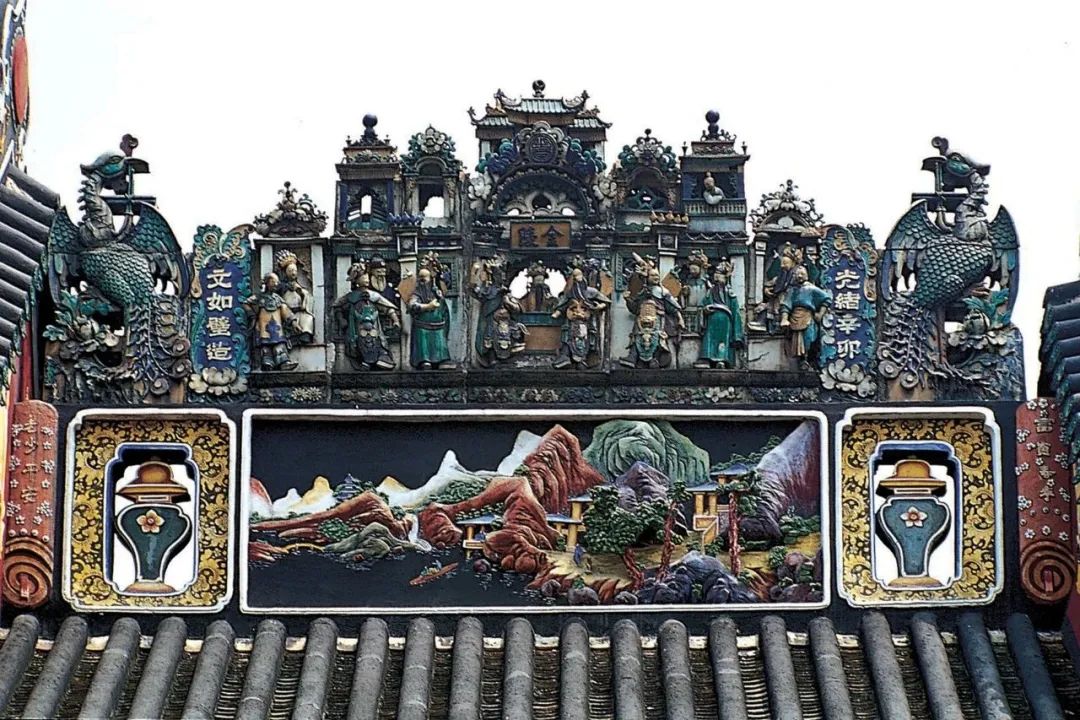
Chen Clan Ancestral Hall (Photo: Guangzhou Municipal Culture, Radio, Television and Tourism Bureau)
Where to experience:
-
Chen Clan Ancestral Hall, Guangzhou (陳家祠): No. 34, Enlong Li, Zhongshan 7th Road, Liwan District, Guangzhou (廣州市荔灣區(qū)中山七路恩龍里34號)
-
Guangdong Shiwan Ceramics Museum, Foshan (廣東石灣陶瓷博物館): Nanfeng Kiln, No. 5 to 6 Gaomiao Road, Chancheng District, Foshan (佛山市禪城區(qū)高廟路5-6號南風(fēng)古灶)
Herbal tea
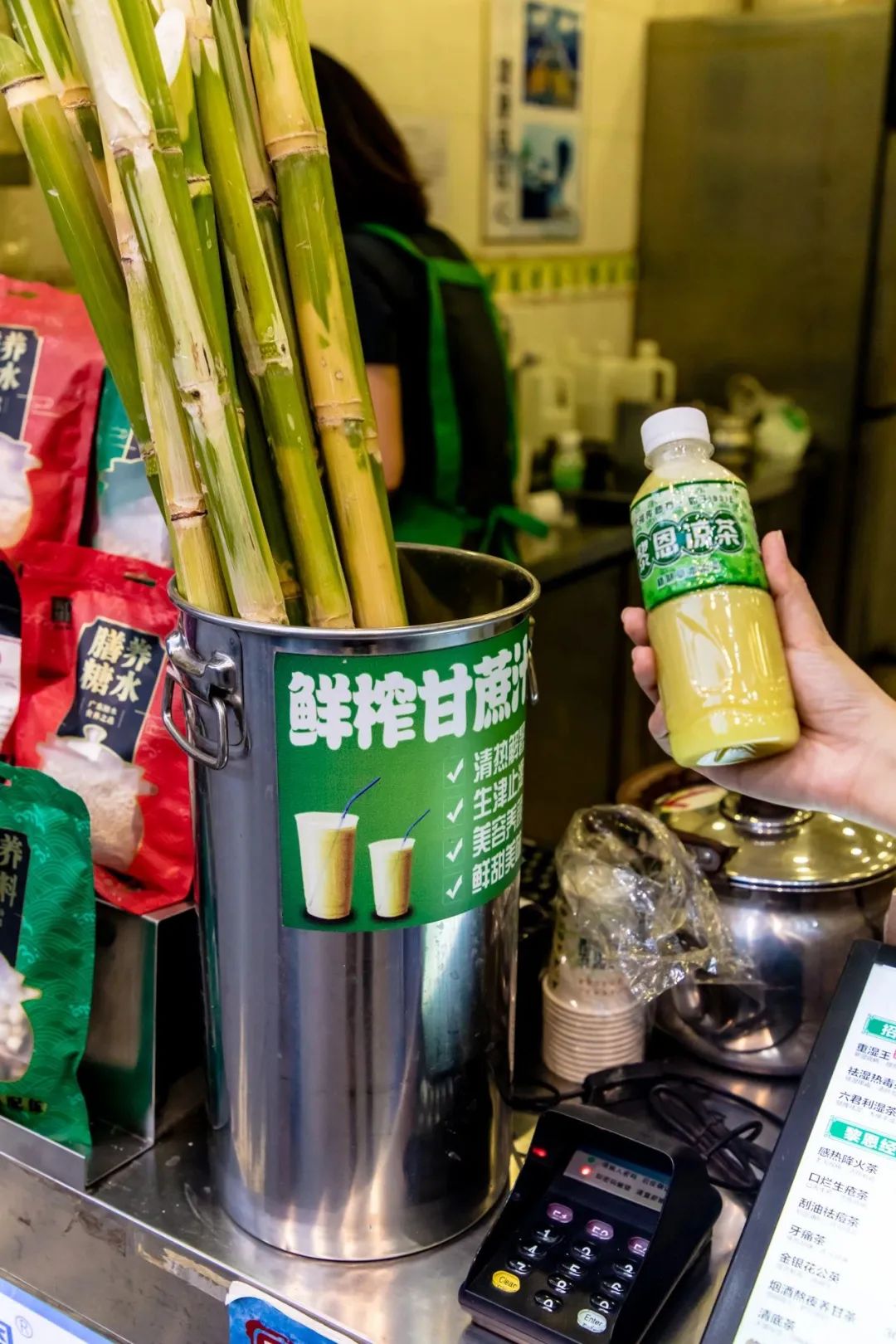
In the hot and humid climate of Guangdong, locals have developed herbal tea as a traditional remedy, guided by the principles of Chinese medicine. Made from various herbs, this refreshing drink has a history of hundreds of years. Over time, it has been refined and passed down through generations, and herbal tea shops have become a unique part of the Lingnan cultural landscape.
(Photo: Liwan Culture, Radio, Television, Tourism, and Sports Bureau)
As "China Travel" gains popularity, herbal tea has become a "must-try challenge" for some foreign visitors to Guangdong. Different herbal teas serve different purposes, such as clearing heat, relieving dryness, and boosting energy. If you're curious to try, it's recommended to ask the shop staff for advice based on your symptoms.
(Photo: Guangzhou Yuexiu Fabu)
Where to experience:
-
Guangdong Herbal Tea Museum (廣東省涼茶博物館): No.2 Jinfengyuan Road, Guangzhou Science City, Huangpu District, Guangzhou (廣州市黃埔區(qū)科學(xué)城金峰園路2號)
-
Shiqi Exopathy Liangcha Cultural Hall (石岐外感涼茶非遺文化館): No.6, Shengwugu Avenue, Zhongshan (中山市生物谷大道6號)
-
Local herbal tea shops on the streets
Shahe Rice Noodle making technique
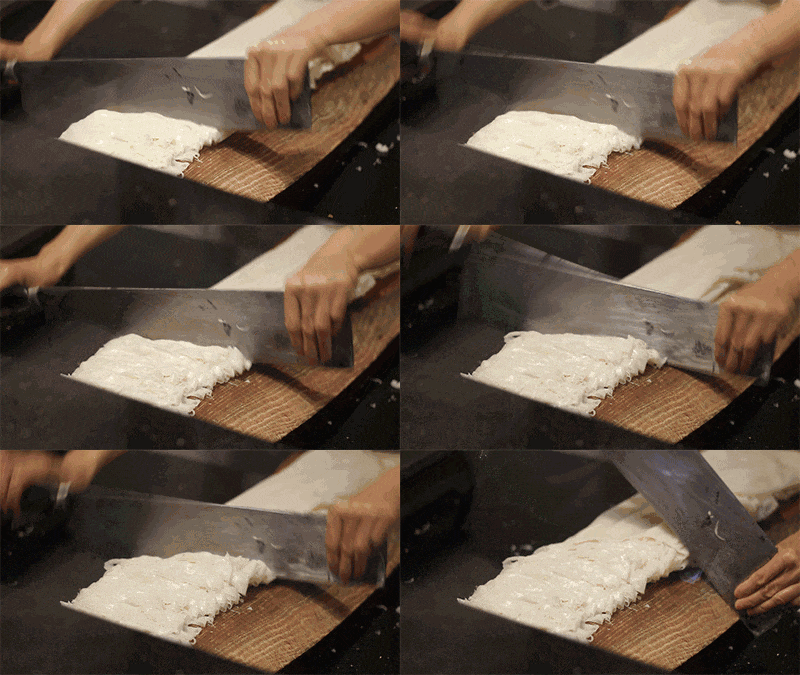
Shahe Rice Noodle, originating from the Shahe community in Guangzhou, is a beloved traditional dish. These broad, white noodles have a slightly slippery, elastic, and chewy texture. Typically stir-fried with meat, vegetables, oil, and spices, they are best known as the popular chow fun dish.
In Guangzhou, whether you visit small eateries or upscale restaurants, you'll find this dish widely available. For an authentic experience, head to Shahe Rice Noodle Village Restaurant near Baiyun Mountain, where you can taste a variety of Shahe rice noodles. You can also visit the Shahe Rice Noodle Experience Hall inside Haizhu Lake Park, where you can learn how to make noodles and enjoy the beautiful surroundings of Haizhu Lake.
(Photo: Haizhu Wetland)
Where to experience:
-
Shahe Rice Noodle Village Restaurant (沙河粉村): First floor, Yuntai Garden, Guangyuan Middle Road, Yuexiu District, Guangzhou (廣州市越秀區(qū)廣園中路云臺花園首層)
-
Shahe Rice Noodle Experience Hall (沙河粉體驗館): No.168, Xinjiao Middle Road, Haizhu District, Guangzhou (廣州市海珠區(qū)新滘中路168號)
Author | Huang Xinying
Poster | Lai Meiya
Editor | Wei Shen, Liu Lingzhi, James, Shen He
Source: GDToday


















 京公網(wǎng)安備11010802044359